Start with public benefit
Every partnership should be clear about how it helps young people, families or local community spaces.
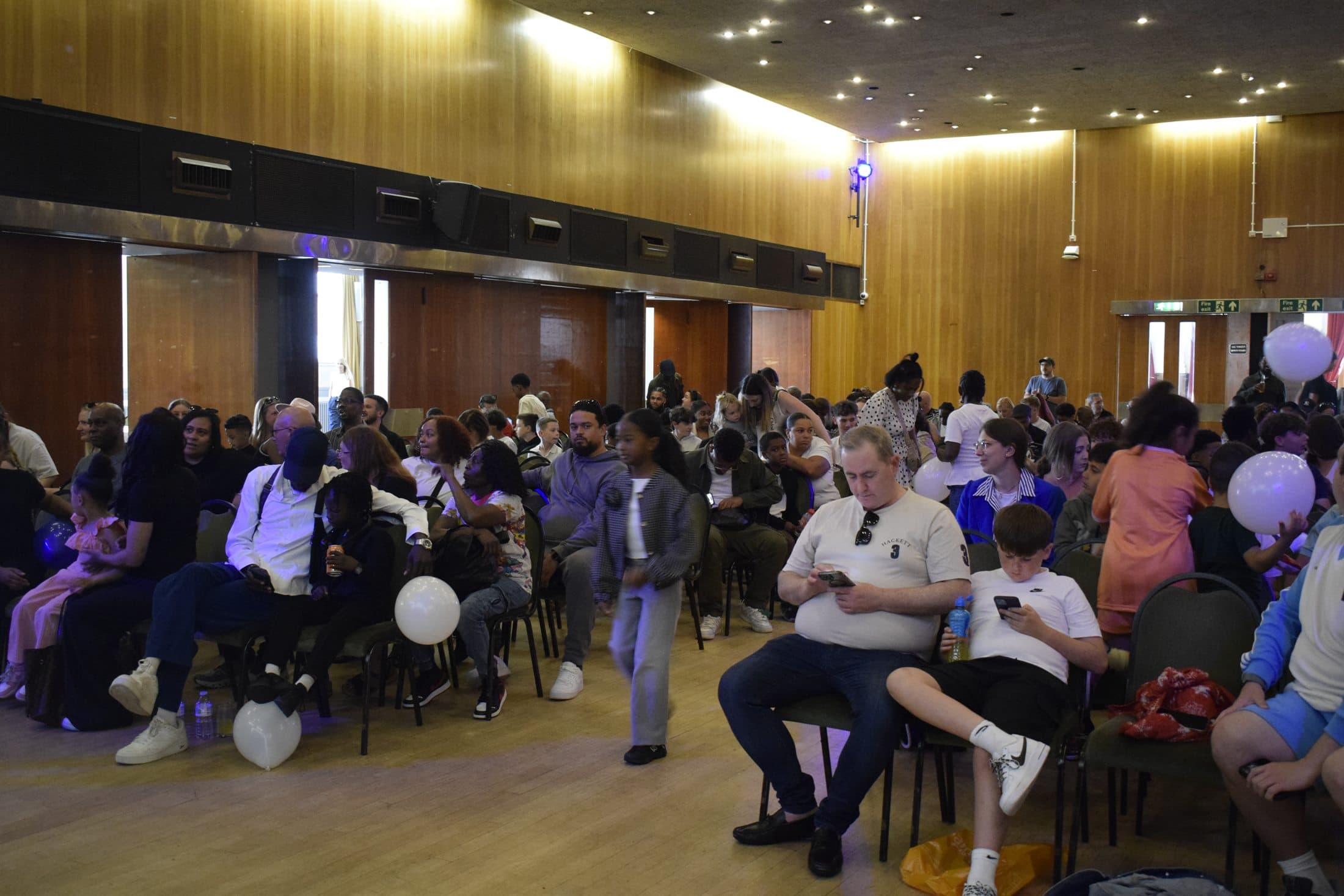
The Junction Elite Project can work with schools, venues, local businesses, funders, recycling partners and community organisations where the partnership creates clear public benefit.

The charity has been awarded the Get Set Go Further award worth £60,000: £20,000 per year for three years. Wimbledon Foundation also provides merchandise that can be handed out to young people and families as part of positive community moments.
A three-year partnership helps the Project think beyond one-off moments: access, outreach, recognition, reporting and the confidence to build stronger delivery habits.
View Wimbledon PartnershipPartnership is more useful when it starts with a clear route: delivery, funding, venue support, recycling, referrals or introductions.
A major three-year funding partnership through the Get Set Go Further award, with merchandise support for young people and families.
Create routes into enrichment, after-school activity, camps, mentoring and targeted referral conversations.
Back a visible community outcome through sponsorship, gifts in kind, event support or restricted funding.
Offer safe spaces for sessions, meetings, family moments, awards, training or supervised community activity.
Support site access, rubbish clearing, reusable bottles, recycling routes or reporting for cleaner playing spaces.
Fund programme work with clear outcomes, safeguarding, budgets, evidence and reporting expectations.
Connect young people and families to positive activity, trusted adults and practical support pathways.
Strong partnerships help the charity reach young people, protect standards and report impact without blurring the line between the charity and the football club.
View Trust CentreEvery partnership should be clear about how it helps young people, families or local community spaces.
Safeguarding, consent, image use, supervision and data expectations are agreed before delivery.
Charitable donations, sponsorship benefits, gifts in kind and restricted funds are treated properly from the start.
Partners should receive updates that explain activity, evidence, spend, learning and next steps.
A partner shares the need, setting, audience, resources or funding opportunity they want to discuss.
The Project agrees whether the best path is school delivery, sponsorship, grant funding, litter picks, venue support or a referral link.
Roles, safeguards, funding treatment, evidence, communication and reporting expectations are written down.
Activity is delivered, reviewed and improved using records, feedback, partner confirmation and responsible stories.
Supporters do not always need to donate directly. A warm introduction to the right school, venue, funder, sponsor or recycling partner can unlock the next piece of delivery.
Email the Project with the setting, opportunity, audience and the kind of help you may be able to provide.