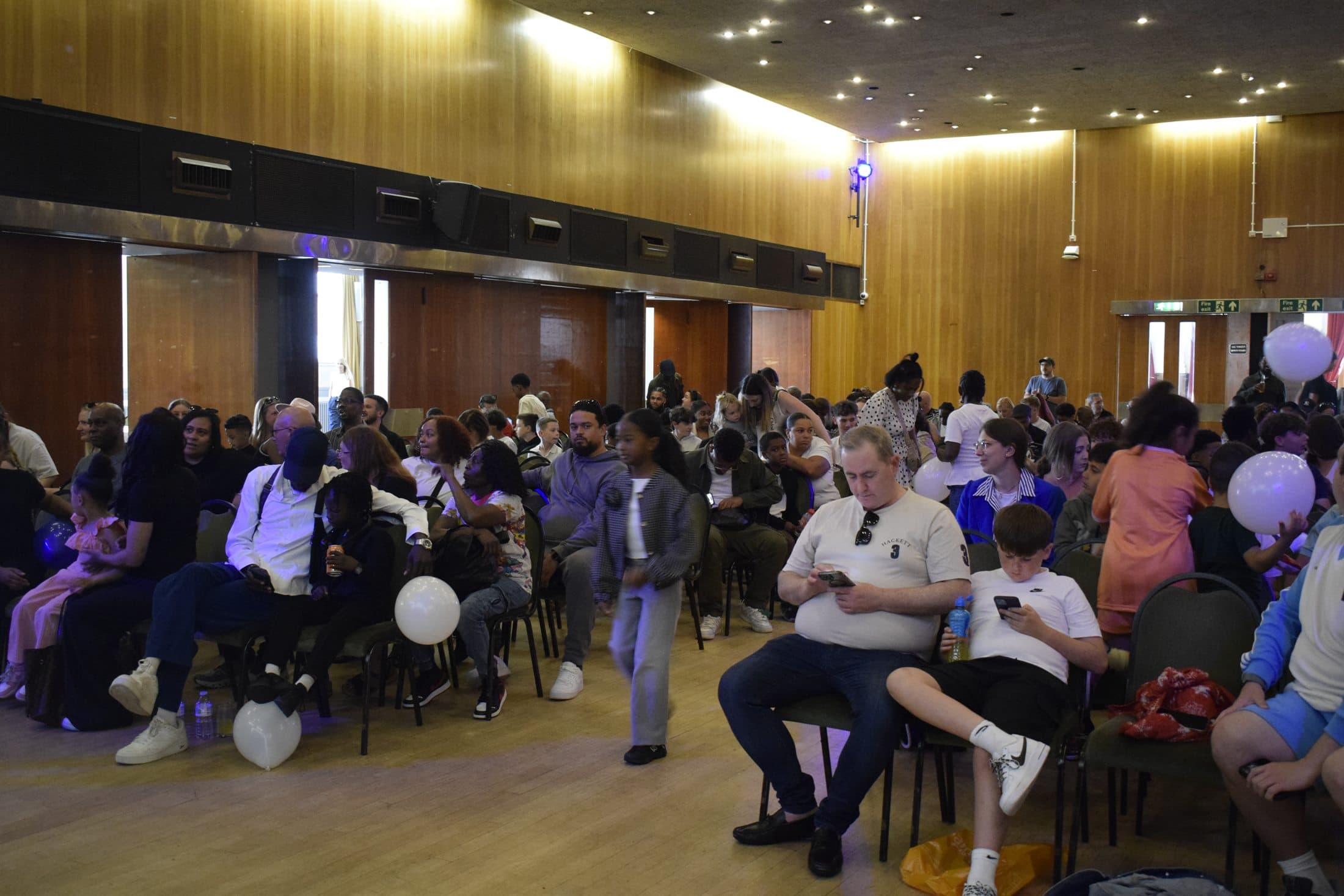
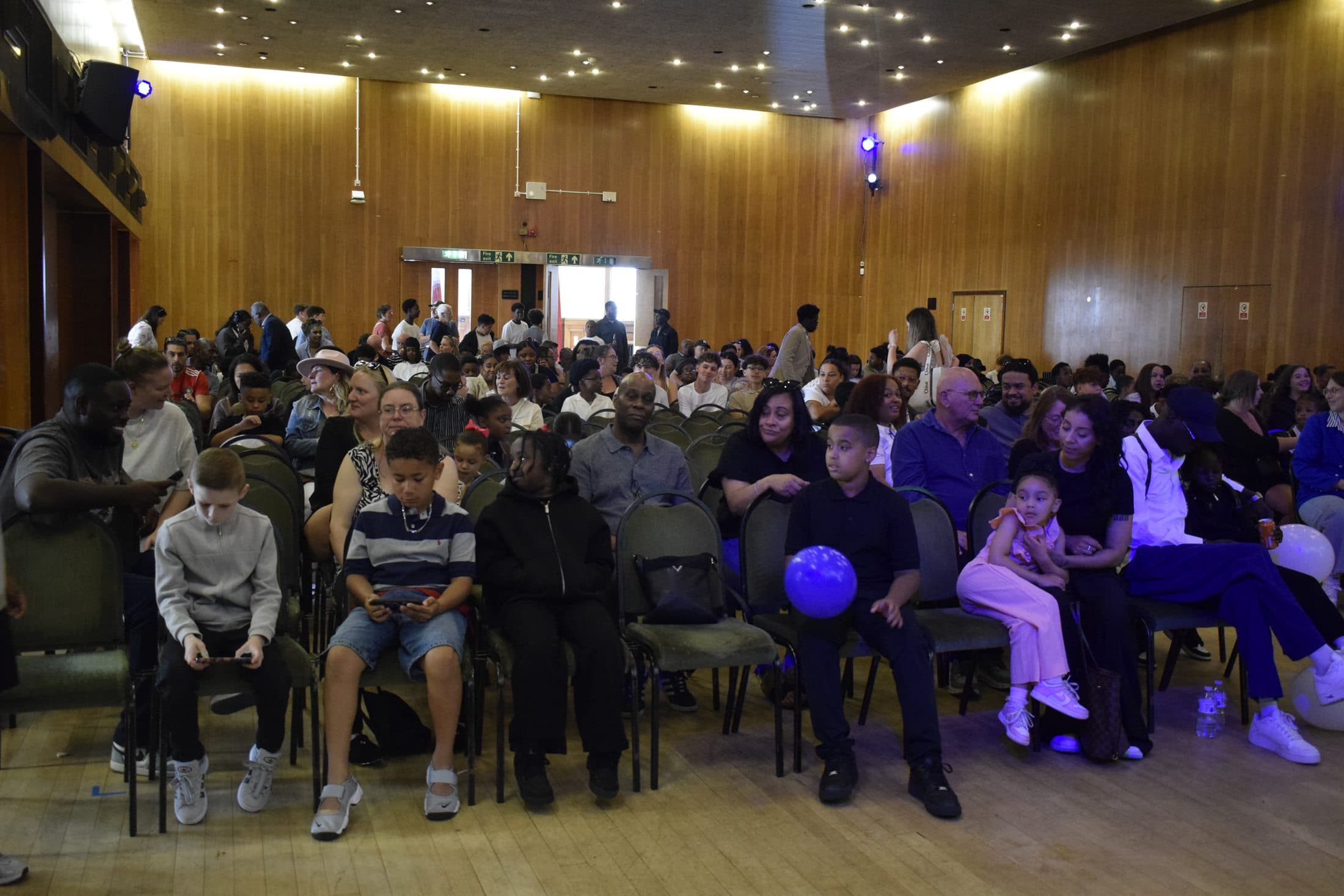
A room full of families
Community events show that the work is not only about sessions on a pitch. They bring parents, carers, coaches and young people into the same positive space.
The Junction Elite Project should show impact through real community moments, clear outcomes and evidence the charity can stand behind.
The charity can tell a powerful story without exaggerating. The first version should explain the outcomes it is building toward and the evidence it will collect as programmes mature.
Publish numbers only when the charity can explain where they came from, how they were checked and what they mean.
Use authentic community moments, consented images and careful story handling rather than generic charity language.
Help donors and funders see which activity their support enabled and which charitable outcome it was meant to support.
Record what worked, what changed and what needs improving so the Project can mature responsibly.
The site should be confident, but not inflated. This is the difference between a charity that feels real and one that sounds like it is borrowing language from somewhere else.
Awards nights and family events show a committed community around the work, with young people, parents, carers and volunteers in the room.
The club gives the charity a trusted route to reach families, schools and young people who already connect with Junction Elite FC.
The site can already show real images of recognition, family connection and positive standards instead of relying on stock visuals.
The charity now needs consistent records for attendance, access support, feedback, safeguarding checks and restricted funding reports.
Football is the hook. The charitable value is access, routine, confidence, belonging, family connection and trusted support around the young person.
Subsidised places, kit, equipment, food, travel or hardship support.
Young people who might otherwise miss out can take part in positive activity.
Support requests, funded places, items provided, attendance and family feedback.
Regular sessions, camps, outreach and consistent trusted adults.
Young people build routine, confidence, connection and a stronger sense of belonging.
Attendance over time, retention, participant voice, parent/carer feedback and coach observations.
Awards, mentoring, leadership opportunities and public celebration of effort.
Young people feel seen for progress, standards, effort and positive choices.
Recognition records, consented stories, photos, certificates and young person reflections.
School-linked sessions, referrals, enrichment, holiday activity and partner delivery.
More children can be reached through trusted local settings and joined-up support.
Partner agreements, referral notes, school feedback, session logs and reporting summaries.
Litter picks, cleaner pitches, reusable-bottle habits and youth-led local action.
Young people see local spaces as places they can improve, protect and take pride in.
Sites cleaned, bottles collected, before/after photos, partner confirmation and youth volunteer records.
These are not final case studies yet. They show the kind of community evidence the charity can turn into consented stories over time.
Community events show that the work is not only about sessions on a pitch. They bring parents, carers, coaches and young people into the same positive space.

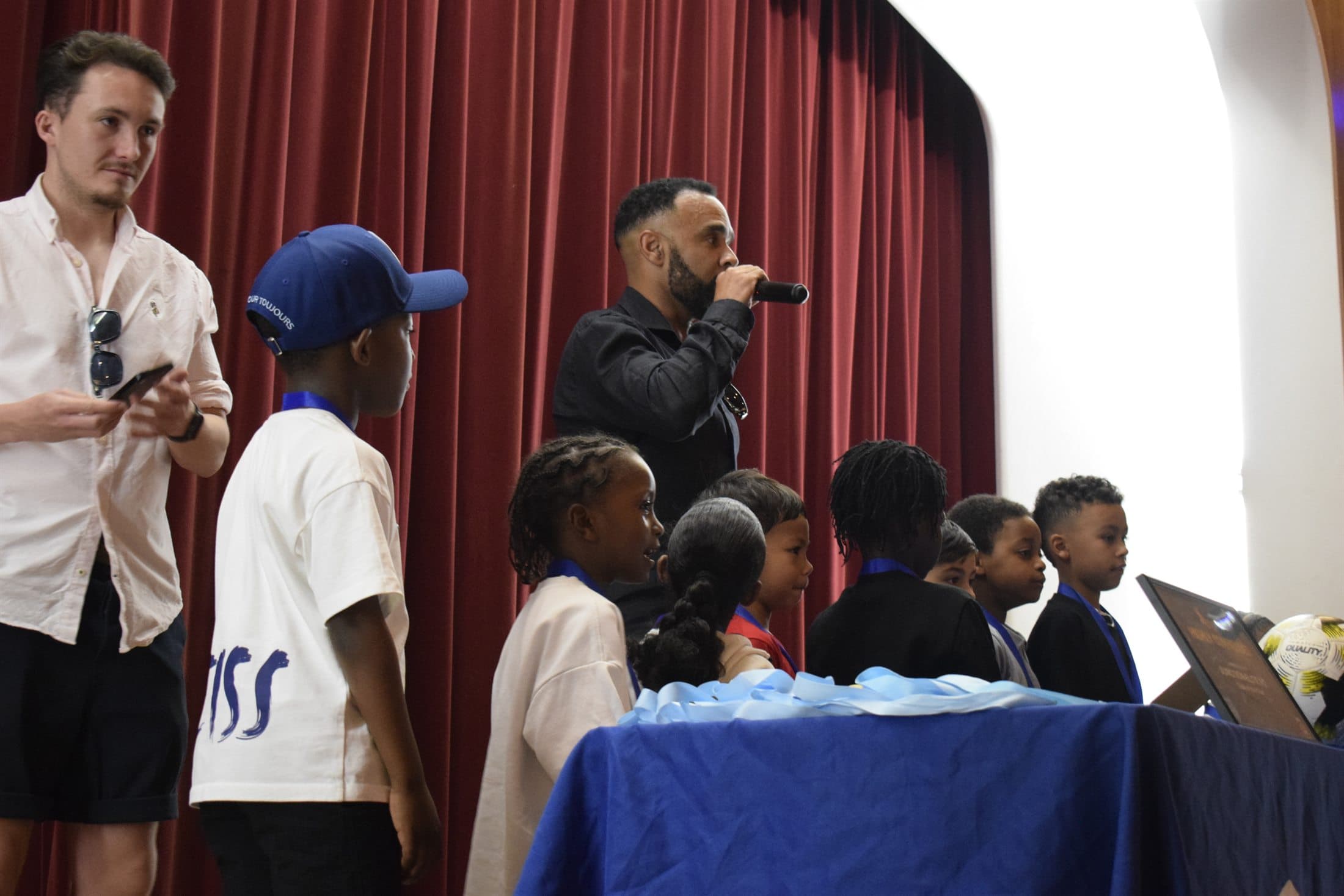
Recognition gives effort a public moment. Medals, awards and photos can become memories that tell a young person they matter.

The charity can use football culture to build confidence, routines, standards and pride that travel beyond match days.
Families in the room, young people being recognised and visible local standards make the charity feel grounded.


These measures can become the backbone of annual impact reporting, grant applications, sponsor updates and donor communications.
Young people supported into sessions, camps, outreach, community action or school-linked activity.
Kit, equipment, camp places, travel, food or subsidised activity provided through charitable funding.
Schools, community partners, sponsors and funders involved in delivery or support.
Awards, family events, mentoring moments and young people celebrated for progress or effort.
Whether young people stay connected to positive activity and trusted adults over time.
Feedback from young people, parents, carers, schools, coaches and volunteers.
A simple rhythm gives trustees, donors, sponsors and grant funders confidence that the Project is learning as it grows.
Record activity, attendance, support provided, safeguarding considerations, partner involvement and spend.
Review claims against records, receipts, consent, restricted fund rules and partner confirmation.
Look for what worked, who was missed, what barriers remain and what needs changing before the next activity.
Share clear updates with trustees, donors, sponsors and funders using plain language and responsible evidence.
Short, human updates that show what support made possible and what the next need is.
Programme-specific reporting for local businesses backing kit, events, access support or community delivery.
Restricted-fund reporting against the approved outcomes, activity, spend, safeguarding and learning.
Regular internal evidence so trustees can review charitable benefit, risk and financial responsibility.
The goal is not to overclaim. The goal is to make it easy for a donor, sponsor or grant funder to understand what changed, how we know, and what responsible support can make possible next.
The support page separates monthly giving, sponsorship and grants so different supporters can find the right route.